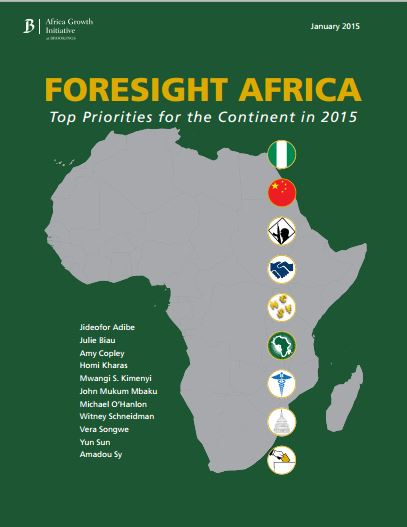
Depuis 2010, Brooking Africa Growth Initiative fait appel à des universitaires et experts pour évaluer les principales priorités à venir pour le continent Africain. Le rapport 2015 identifies 9 enjeux clés. 

 2015 s'annonce une année riche en évènemenets. Les experts ayant contribué au rapport ont identifiés les enjeux suivants: 

 

Les élections présidentielles au Nigéria: Jideofor Adibe présente les enjeux, les candidats, et les complexités de cette election décisive pour ce géant démographique et économique du continent. 

 

Le 6ème forum sur la Coopération Chine Afrique: Yu-Sun revient sur les relations Chine-Afrique et se demande si les priorités de la Chine sont en train d'évoluer et dans quelle mesure les pays Africains peuvent renforcer leur pouvoir de négociation.   

L'engagement militaire des pays de l'Ouest: Michael O’Hanlon et Amy Copley estiment que malgré la forte couverture médiatique, la violence diminue sur le continent. Mais pour continuer à aller dans ce sens, la communauté internationale doit identifier et s'attaquer aux causes profondes des mouvements extremistes et des conflits civils.  

L'Agenda de Développement post 2015: Homi Kharas et Julie Biau reviennent sur les enjeux majeurs de l'agenda - création d'emplois, infrastructure et bonne gouvernance, paix et sécurité - et leur signification pour le continent.

Une année cruciale pour le financement en Afrique: Amadou Sy présente plusieurs recommandations relatives à la Conférence Internationale sur le Financement du Développement 2015 et identifie la façon dont les donateurs, gouvernements et le secteur privé peuvent générer des investissements soutenant une croissance durable. 

Une Union Africaine pour un Continent Emergent: Mwangi S. Kimenyi revient sur les succès et échecs de l'Union Africaine tout en suggérant un certain nombre de changements à apporter pour accroitre sa légitimité et son influence. 


Combattre Ebola: Une Stratégie d'Action
 : alors que la crise Ebola touche encore de plein fouet certains pays d'Afrique de l'Ouest, Vera Songwe se penche sur les impacts à long-terme de l'épidémie, en insistant plus particulièrement sur ses conséquences économiques. 

 

Une année charnière pour la Politique Africaine d'Obama: Witney Schneidman évalue les inititiaves actuelles de la Maison Blanche relatives à l'Afrique, soulignant l'importance d'un solide leadership afin de renforcer les relations entre les Etats-Unis et l'Afrique.  

Elections Africaines en 2015, un apperçu en Côte d'Ivoire, Tanzanie, Burkina Faso et Soudan: John Mukum Mbaku propose une vue d'ensemble des prochaines élections à venir, revenant également sur les processus de démocratisation dans ces pays, les enjeux clés des élections et sur ce quoi il faut s'attendre en 2015.
 

Download the report


ABOUT THE BROOKINGS AFRICA GROWTH INITIATIVE


For Africa to achieve transformative progress, policy solutions must come from African sources. The Africa Growth Initiative brings together African scholars to provide policymakers with high-quality research, expertise and innovative solutions that promote Africa’s economic development. The Initiative also collaborates with research partners in the region to raise the African voice in global policy debates on Africa. Our mission is to deliver research from an African perspective that informs sound policy, creating sustained economic growth and development for the people of Africa.
Since 2010, the Brooking Africa Growth Initiative asks scholars to assess the top priorities for Africa in the coming year. The 2015 report identifies 9 key issues, including the post-2015 agenda, the fight against Ebola or the Presidential elections in Africa. It also identifies 2015 as a crucial year for financing development in Africa.


2015 will be an eventful year for the African continent. The Brooking Africa Growth Initiative experts and colleagues have identified the following key issues:


The 2015 presidential elections in Nigeria
: Jideofor Adibe reviews the issues, introduces the candidates and explains the complexities of the 2015 presidential election in the continent’s most populous country and biggest economy.

The 6th forum on China-Africa Cooperation: As the region prepares for the 2015 Forum on China-Africa Cooperation Yun Sun discusses the evolving China-Africa relationship, whether China’s priorities might be shifting, and how African countries are strengthening their voices. 

How the West can do more military in Africa: Michael O’Hanlon and Amy Copley argue that, despite the news coverage, violence across the continent is decreasing, but to continue this trend in 2015 the international community needs to appreciate that the root causes of terrorism and intra-country conflicts extend beyond extremism.

The post 2015 Development Agenda: Homi Kharas and Julie Biau explain the three prongs of the Post-2015 Development Agenda—job creation, infrastructure and governance, and peace and security—and what they mean for Africa.

A crucial year for financing development in Africa: Amadou Sy offers recommendations for the 2015 International Conference on Financing for Development and identifies ways donors, governments, and the private sector can successfully leverage foreign direct investment for long-term growth

An African Union for an Emerging Continent: Mwangi S. Kimenyi reflects on the African Union’s successes and failures, recommending policy changes to increase its capability and influence as the institution confronts complex challenges in 2015.


Fighting Ebola: A Strategy for Action
 : In the wake of the ongoing Ebola crisis, Vera Songwe examines the long-term impacts of the epidemic and the global reaction, with an emphasis on the economic consequences and ways forward.


A pivotal year for Obama’s Africa legacy: Witney Schneidman appraises the White House’s current initiatives in and policies toward Africa, calling for strong leadership from the president in order to deepen U.S.-Africa relations in 2015.

African elections in 2015, a snapshot for Côte d’Ivoire, Tanzania, Burkina Faso and Sudan: John Mukum Mbaku gives an overview of the 2015 elections in Côte d’Ivoire, Tanzania, Burkina Faso and Sudan, including a history of democratization in these countries, the top issues in the elections, and what to expect in 2015.


Download the report


ABOUT THE BROOKINGS AFRICA GROWTH INITIATIVE


For Africa to achieve transformative progress, policy solutions must come from African sources. The Africa Growth Initiative brings together African scholars to provide policymakers with high-quality research, expertise and innovative solutions that promote Africa’s economic development. The Initiative also collaborates with research partners in the region to raise the African voice in global policy debates on Africa. Our mission is to deliver research from an African perspective that informs sound policy, creating sustained economic growth and development for the people of Africa.
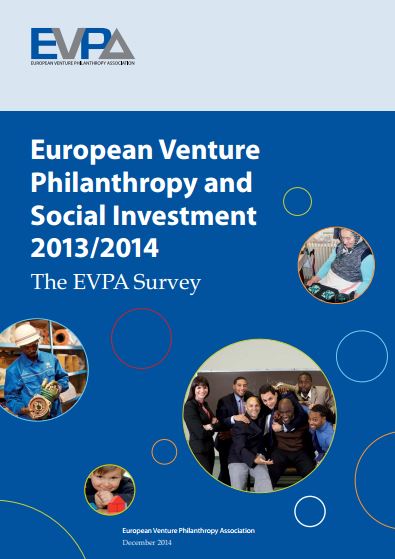
EVPA released its 2013/2014 survey, an important yearly indication of the growth of the Venture Philanthropy and Social Investment sector.

Download the Report 


This year’s report shows notably:

  • A 28% increase in average spend per organization from €6.3 million to €8.0 million over the past year


  • With €5 billion invested in social organisations and projects since the approach started gaining ground ten years ago, the survey shows increased momentum for the sector, and an increase in available resources for social purpose organisations.


  • That over 95% of respondents now use impact measurement, and that 85% of organizations use impact measurement to inform decisions about unlocking new funding. 


EVPA 2014 Survey


About EVPA

The European Venture Philanthropy Association is a membership association bringing together venture philanthropy and social investment organizations across Europe.EVPA account more than 170 members, among which are included social investors, grant-making foundations, impact investing funds and private equity firms. Investisseurs & Partenaires joined the network in 2012. 


SINERGI is an impact investment company founded in Niger in 2007 by IPDEV. Its investment strategy has been very entrepreneurial: SINERGI invests exclusively in start-ups and early-stage small growing businesses (SGBs), most of which are in formalization or still in the informal sector. Along with long-term finance in the form of minority equity participations and shareholders loans, SINERGI offers very close management coaching to support their formalization and growth.


Despite the high risk of such an investment strategy, the portfolio is performing well, with an average annual revenue growth of 40%. In 6 years, SINERGI has built an investment practice and a rare expertise in supporting and monitoring entrepreneurs.

With these two exits, SINERGI successfully completes a first cycle of investments: 


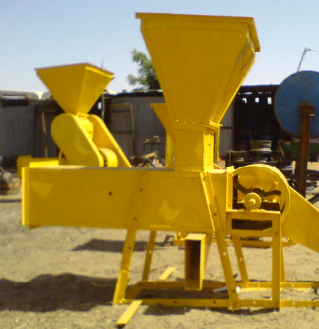
 UNIFAM is a steel manufacturing company that produces agro-equipment and school furniture in Maradi, a second-tier Nigerien city 400km away from the capital. SINERGI has invested EUR 46,000 in UNIFAM in 2008, taking a minority shareholding position and a seat at the Board as well as granting a long-term shareholder’s loan. Before SINERGI’s investment, UNIFAM was a small informal business with annual sales of EUR 30,000. After 5 years of support and two additional loans, UNIFAM has grown its sales 8 times, hired 13 employees and reached a good and stable profitability. UNIFAM regularly wins tenders for international agriculture and education donors, an activity started at the initiative of SINERGI. Its growth is trickling down to small manufacturers in the locality and UNIFAM has played an important role in structuring its value chain.


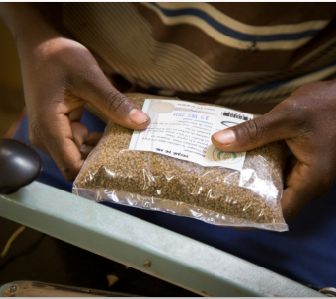
ETC use millet, sorgho and rice to make dégué, a local specialty that ETC packs and commercialises locally. Created in 2000, the company became a SARL in 2009. Thanks to SINERGI’s investment, ETC was able to build up a one-year stock of cereals, build a workshop and purchase new production units. Above all, it has helped them consolidate and formalize their activity and establish an efficient accounting system.  


SGBs in SINERGI’s portfolio have generated strong impacts on the Nigerien economic fabric. They can be considered indirect impacts of Sinergi:

  • 200 jobs have been created since 2008, with an average monthly wage of CFAF 80 000.
  • 177 employees have been trained since 2008.
  • SGBs in SINERGI’s portfolio have sourced goods and services from 130 Nigerien suppliers, for a total annual amount of CFAF 110 million in 2012.

PhiTrust organise ce mercredi 17 décembre ses rencontres annuelles, orientées cette année sur le thème « investissement à impact et inclusion financière ». Olivier Lafourcade, Président du Conseil d’Administration d’IPDEV, participe à cet événement et intervient sur les perspectives de l’impact investing en Afrique.


Le Programme de la Conférence

F. de Witt

14h: Introduction par François de Witt(Président du Fonds de dotation PhiTrust)


U. Grabenwater

14h10 : Investissement à impact, quelles définition et perspectives ? Par Uli Grabenwater, président d’European Impact Investing Luxembourg


O. de Guerre

14h40 : Investissement à impact et investissement à impact social, quelle différence ? Par Olivier de Guerre, président de PhiTrust Partenaires


O. Lafourcade

15h10 : Investissement à Impact et inclusion financière, quelles attentes en Afrique ? Par Olivier Lafourcade


16 : Investissement à Impact et inclusion financière, expériences d’entrepreneurs : quelles sont les différentes voies de l’inclusion financière ?

17h50 : Témoignages

19h : Conclusion, par Olivier de Guerre


Télécharger le programme


A propos de PhiTrust

PhiTrust Partenaires finance et accompagne les entrepreneurs sociaux proposant des solutions innovantes aux problèmes sociaux ou environnementaux actuels. Deux outils ont été mis en place pour soutenir ces entrepreneurs : la société d’investissement PhiTrust Partenaires et le fonds de dotation PhiTrust, finançant les projets à but non lucratifs. 

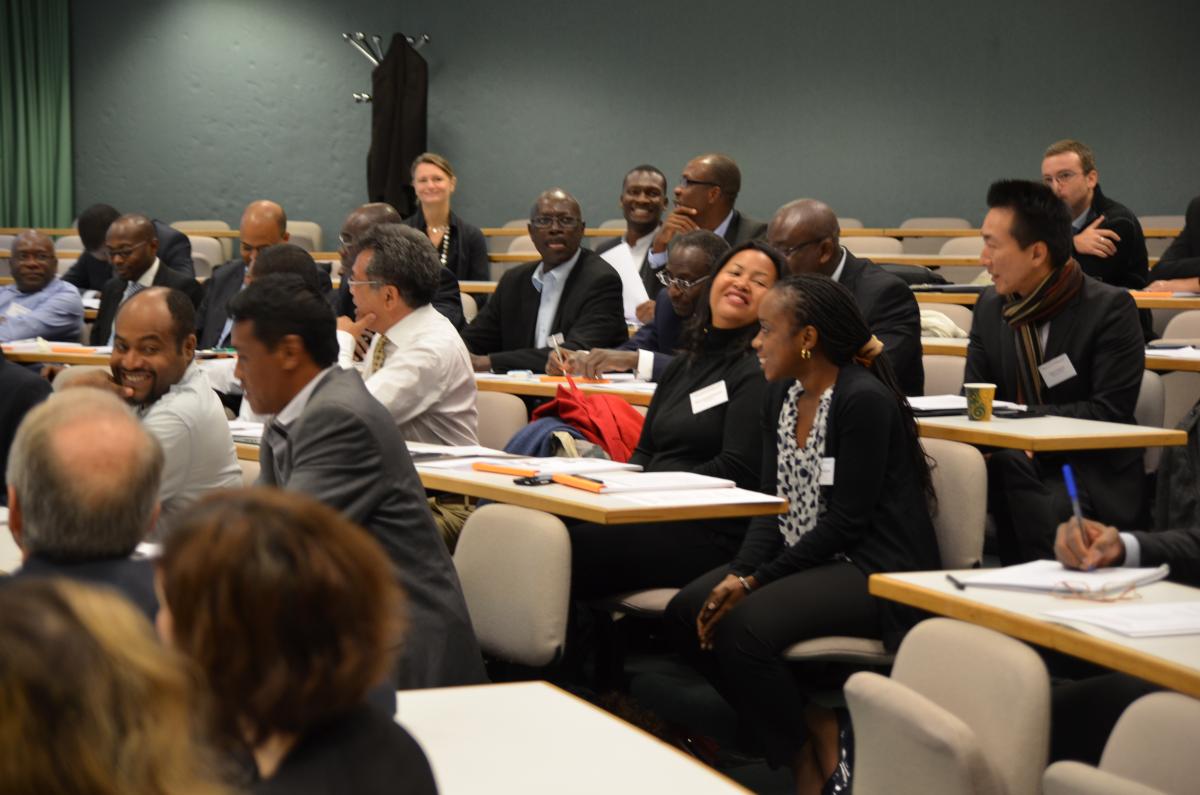
The annual meeting gathering the entrepreneurs supported by I&P is held on November 27 and 28 in the premises of the Business School HEC Paris. The Seminar focuses this year on a particularly crucial issue for African SMEs: the Management Information System (MIS). This was the opportunity for the 38 participating entrepreneurs and I&P's team to exchange and share best practices. 


Three experts on the subject, used to support I&P's partner companies, have expopsed the main issues and challenges relative to the Management Information System. The seminar was also the opportunity for entrepreneurs to present their own achievements and difficulties on that field. 

I&P and the trainers will pursue their efforts through time and continue to support the entrepreneurs in their efforts. 


The trainers

Bruno CaireBruno Caire

CEO of several SMEs in Africa, South-East Asia, United-States, in various sectors (energy, metallurgy, conditioning manufacturers...), he has more than 20 years of business experience. 


Badou BaBadou Ba

Senior Consultant, specialized in designing development projects, the establishement of Management information systems and analytical accounting. 


Christian Le Page

Has more than 20 years of experience as management consultant. He serves as an expert in multiple fields: financial back off, management systems, program management


HEC Speakers 

A. DufourArmelle Dufour

Strategic Projects and Relations Director, Africa. Her specialities include International Education, Business Development, executive education and training. 


A. BlochAlain Bloch

Professor CNAM, Director HEC Entrepreneurs, Founding Partner Bloch Dumonvillier & Co. He will intervene on the session dedicated to the Entrepreneurs' network. 


The Program

November 27 

  • Welcome Speech
  • Presentation of the Participants and Speakers 
  • Plenary session: key concepts of the Management Information System
  • Testimonies of entrepreneurs 
  • Evening: ceremony to confer the Legion of Honour to Jean-Michel Severino 

November 28

  • MIS: conditions for success
  • Work groups on the Entrepreneurs' network  


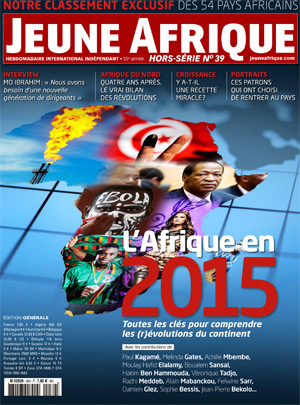
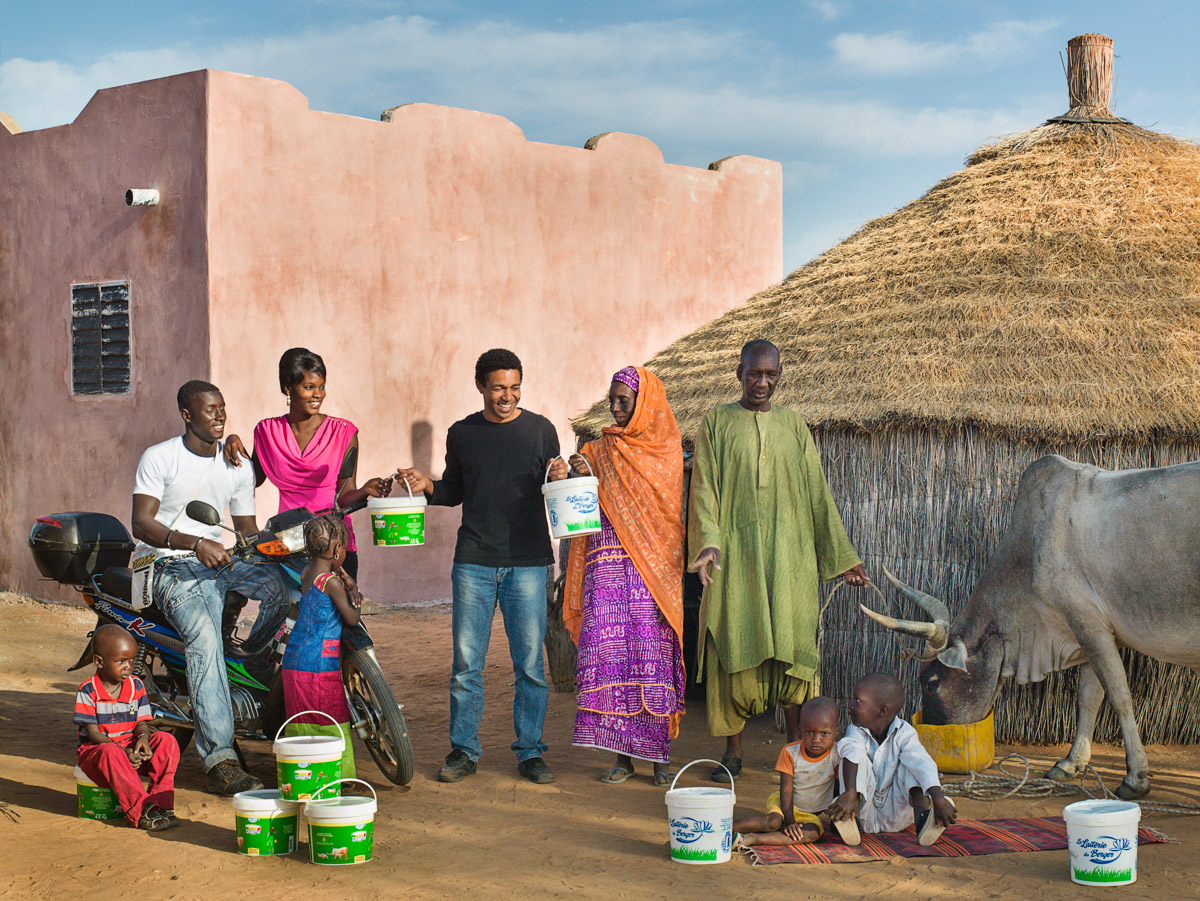
Ils ont étudié ou travaillé à l’étranger, mais sont revenus mettre leurs compétences au service de leurs pays : Jeune Afrique explore, dans son Hors-Série ‘’L’Afrique en 2015’’, le parcours de quelques décideurs Africains qui font bouger le continent. Bagoré Bathily, PDG de La Laiterie du Berger, est cité comme l’un de ces acteurs « d’une génération concernée »


L'Afrique en 2015Olivier Caslin, journaliste à Jeune Afrique, revient sur le parcours de l’entreprise et de son fondateur : « Bagoré Bathily (…) en a surpris plus d’un quand la Laiterie du Berger est entrée en production, en 2007, dans le nord du Sénégal. (…) Il a créé cette société dans un pays qui importait jusqu’à 90% de sa consommation de lait. L’entreprise emploie aujourd’hui une centaine de personnes et écoule chaque année sept tonnes de produits laitiers à travers 8000 points de vente. (…) Star de l’économie sociale et solidaire, Bagoré Bathily, 39 ans, est régulièrement cité parmi les leaders de demain en Afrique francophone »
 

Lire l’encart du Hors-Série n°39

L'article de Jeune Afrique Economie sur Bagoré Bathily (2013)

L’article de l’Express (2013) : ‘’Le vétérinaire devenu entrepreneur social’’


La Laiterie du Berger est la seule laiterie sénégalaise à travailler avec des éleveurs locaux.  Le lait est collecté auprès de 800 de ces éleveurs, avant d’être transformé en yaourts et vendus sous la marque Dolima. L’impact social est au cœur de la stratégie de l’entreprise, qui poursuit trois objectifs : développer la production locale; proposer des produits sains et accessibles ; lutter contre la malnutrition infantile.


Investisseurs & Partenaires s’est engagé aux côtés de la Laiterie du Berger dès la création de l’entreprise, en apportant un soutien financier et technique. L’entreprise compte également parmi ses partenaires Danone Communities, la fondation Grameen Crédit Agricole, PhiTrust Partenaires et le groupe Danone.  


Le site de l’entreprise et leur page Facebook

La présentation de La Laiterie du Berger sur le site d’I&P

L'intervention de Bagoré Bathily au Talk Show Think Create Do (Sénégal) 


David Munnich and Hugues Vincent-Genod, Investment Officers at Investisseurs & Partenaires, published an article on the blog managed by Business Fights Poverty, a large network of business and development professionals. The article explores the following issue: is it possible to invest equity in African early-stage companies in a sustainable manner?


► Read the Article


The Article underlines the necessity of supporting Small and Medium Enterprises in order to promote a sustainable and inclusive growth on the African continent: “No economy has ever sustainably fought poverty without developing SMEs, employment and an economic fabric. The yearly 5%-growth rate in Africa will not reduce inequalities if it remains circumscribed to the sectors of infrastructure, IT and oil & gas. That is why, if we want growth in Africa to be inclusive, we have to come up with an innovative way for small companies to have their say and their way.

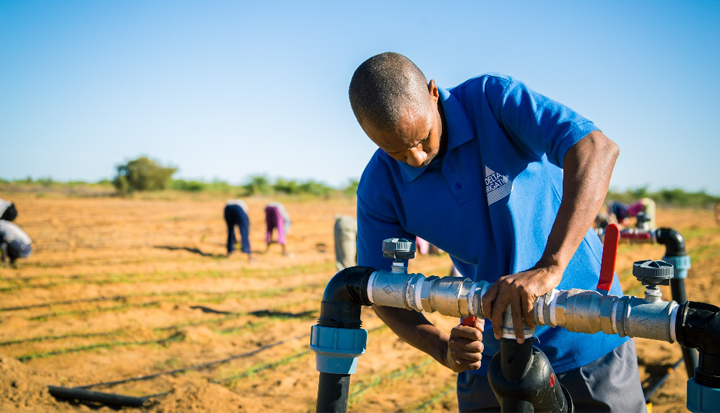
Delta Irrigation


To meet the specific needs of African SMES, I&P is developing a new investment strategy, described by D. Munnich and H. Vincent-Genod. I&P launched SINERGI Niger in 2008, the first investment fund based in Niamey dedicated to small and Growing Businesses (SGBs). Today, SINERGI NIGER has invested in equity and quasi-equity in 8 start-ups for an average of 50,000 euros per investment. Thanks to the 2014 Argidius-ANDE Finance Challenge (AAFC), I&P was able to replicate this sustainable model to neighboring Burkina Faso, and launch SINERGI BURKINA, a EUR 2,5 million investment company with local shareholders. The objective is now to scale up and launch 10 African investment companies led by African Teams. Through this innovative strategy, I&P strives “to promote early-state companies and entrepreneurs and generate inclusive growth in Africa”.


LogoLaunched in 2008, Business Fights Poverty is defined as the “world’s largest community of professionals harnessing business for social impact”. As explained by the Founder and Director Zahid Torres-Rahman, the community promotes a new approach to international development, “one that sees poor people as agents of their own development, and that focuses on what they themselves see as their best strategy for escaping poverty: getting a job or growing a business” 


L’émission 28 Minutes proposait, mercredi 10 décembre 2015 sur Arte, une émission spéciale « Afrique », centrée autour de deux débats,  « l’Afrique, terrain de jeu des terroristes » et « l’Afrique, nouvel Eldorado de la planète ? ». Jean-Michel Severino, Président d’I&P, participait à la seconde partie de l’émission.

Revoir l’émission dans son intégralité  

Le site de l’émission


Le continent Africain est-il à l’aube de ses « Trente Glorieuses » comme l’annonçait l’économiste franco-béninois Lionel Zinsou ? (Un constat récemment réaffirmé par l’économiste Nicolas Baverez dans Le Point). Ainsi que résumé sur le site de l’émission 28, « l’Afrique devient, avec une croissance supérieure à 5%, un terrain de plus en plus séduisant pour les investisseurs, et attire aujourd’hui les convoitises des riches chinois, des indiens, des américains et même d’anciens émigrés africains ». Mais la croissance ne profite pas à tous et ne suffit pas à contrer les faiblesses structurelles du continent (instabilité politique, pauvreté, infrastructures encore très précaires…)

Jean-Christophe Rufin, écrivain et ancien Ambassadeur du Sénégal, la journaliste Anasthasie Tudieshe et Jean-Michel Severino étaient rassemblés auprès d’Elizabeth Quin et son équipe pour débattre de ces enjeux.


Jean-Michel Severino revient notamment sur l’évolution démographique du continent, démographie et croissance économique entretenant des relations complexes et changeantes. L’Afrique est entrée, depuis les années 2000, dans une phase importance de transition démographique qui permet « d’être structurellement optimiste sur les fondements de la croissance Africaine ». On parle de dividende démographique pour désigner le phénomène d'évolution de la pyramide des âges de la population d’un pays, dû à une baisse du taux de natalité. Les adultes étant relativement plus nombreux dans la population des personnes actives, moins d’investissements sont nécessaires pour répondre aux besoins des groupes les plus jeunes et plus de ressources peuvent ainsi être investies dans le développement économique et humain. Comme l’a démontré l’exemple de l’Asie du Sud-Est dans les années 70, le dividende démographique peut représenter « une grande période de croissance économique ».


Le mot de la fin est revenu à J.-M. Severino : « Il est difficile d’imaginer que l’Afrique retombe dans les années qui viennent à moins de 5% par an : la conjugaison de la croissance démographique, de l’urbanisation, de la densification des territoires et du dividende démographique crée un phénomène extraordinaire du marché intérieur, probablement unique dans l’histoire. Beaucoup de maux vont persister, mais le continent va se transformer de manière radicale. »


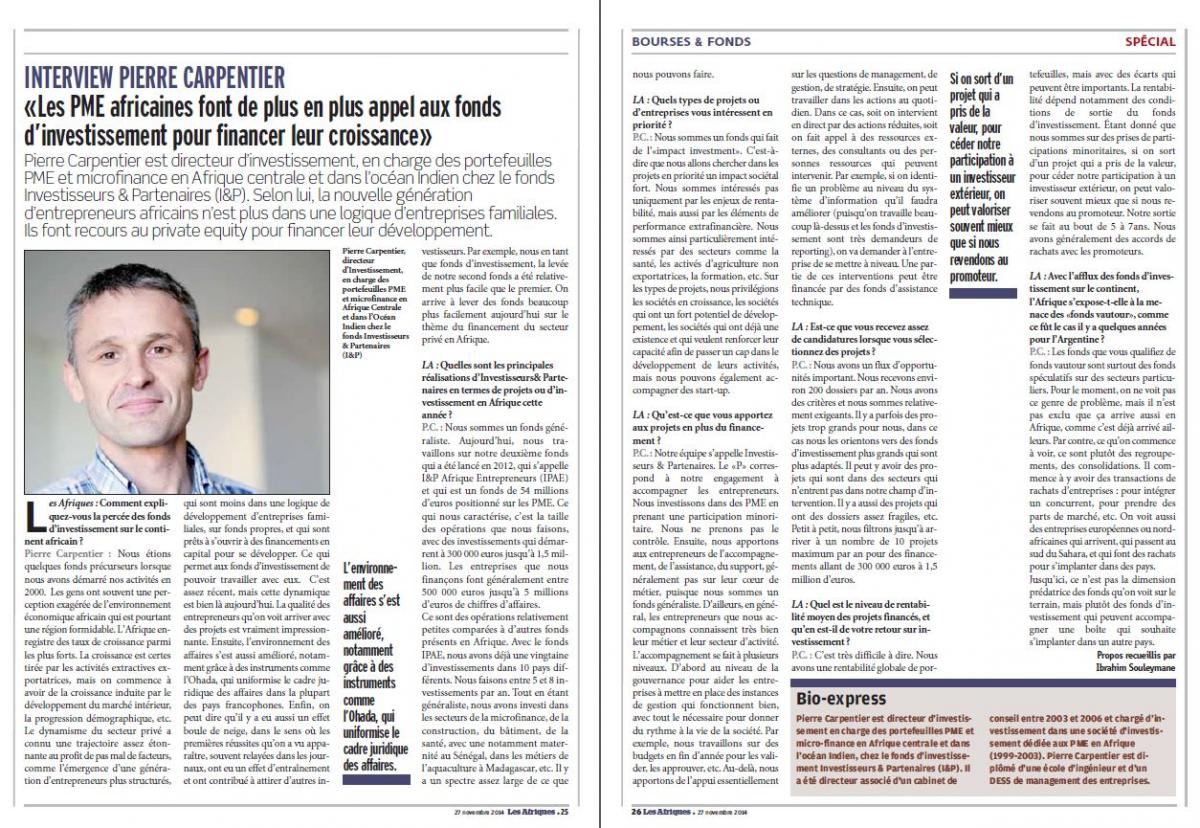
Pierre Carpentier, directeur d’investissement chez I&P, était interviewé par le magazine Les Afriques dans le cadre d’un dossier consacré aux fonds d’investissement. Dans ce numéro paru début décembre, P. Carpentier revient sur les besoins en financement des nouveaux entrepreneurs Africains et sur la façon dont I&P travaille avec ces derniers pour soutenir leur croissance.


La revue Les Afriques, dans son numéro 303, regroupe plusieurs articles et interviews sur les fonds d’investissement opérant en Afrique, faisant le constat que ces fonds sont de plus en plus actifs en Afrique. D’après B. P. Seck, analyste à l’OCDE, ‘’l’industrie du private-equity (ou capital-investissement) ne cesse de transformer le continent (…) Ce modèle est particulièrement pertinent dans le contexte africain, où les solutions de financement sont limitées alors que les prêts des banques commerciales restent trop chers pour permettre de supporter le développement du secteur privé’’.

Même constat pour Pierre Carpentier, qui s’exprime sur les relations qu’entretiennent les fonds d’investissements et les entrepreneurs et sur le dynamisme du secteur privé, dû en grande partie ‘’à l’émergence d’une génération d’entrepreneurs plus structurés (…) et qui sont prêts à s’ouvrir à des financements en capital pour se développer. Ce qui permet aux fonds d’investissement de travailler avec eux’’.


Le Site Internet du Magazine Les Afriques

Lire l’article dans son intégralité

Article


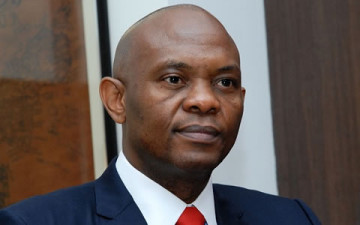
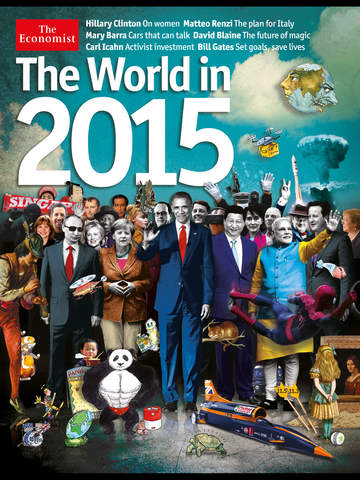
Tony Elumelu explores the upcoming trends transforming African economy in the special edition “The World in 2015” published annually by The Economist. Because of their “potential to transform society”, Elumelu underlines the crucial political and social role African entrepreneurs will play in the coming years.  

>>Read the article


Tony Elumelu predicts that African entrepreneurs will explode onto the global stage and will be at the core of African development. According to him, the relationship between entrepreneurship and social development is decisive: “Entrepreneurial energy and inventiveness have the potential to tackle pressing social problems in new ways (…) African Entrepreneurs will play a central role in bringing together private wealth and public need”.  This is conform with the notion of Africapitalism, described as “the process of transforming private investment into social wealth”

On December 1st 2014, the Tony Elumelu Foundation has announced the launch of a $100m Pan-African Entrepreneurship initiative – The Tony Elumelu Foundation Entrepreneurship Program – described as “a multi-year program of training, funding, and mentoring, designed to empower the next generation of African Entrepreneurs”.


 T. Elumelu   The World in 2015


Tony Elumelu is a Nigerian Economist, Chairman of Heirs Holding Limited, a pan-African proprietary investment company and founder of the Tony Elumelu foundation, a philanthropic organization dedicated to support entrepreneurship in Africa.


In February 2014, Investisseurs & Partenaires was announced as one of the 7 winners of the Africa Impact Economy Innovation Fund (IEIF), supported by the Tony Elumelu Foundation and the Rockefeller Foundation.


The 11th conference organized by the AFD (French Development Agency), Proparco and EUDN (European Development Research Network) is held on December 3rd in Paris.

The conference focuses this year on the topic of energy, raising the key question: which energy policies for sustainable development? 

 >>Download the program of the Conference

 >>Visit the Website 


The conference gathers academics, practitioners, policy makers and private sector representatives to address a wide array of topics and questions relating to the link between energy and economic development, including:

  • What are the main challenges in the energy-development link?
  • What are the environmental implications of energy choices and what are the potential impacts on economic development?
  • How to accelerate reliable electricity supply in Africa?
  • How to improve access to energy in rural areas?
  • How best to convince policymakers to prioritize energy issues?


The conference is divided into four sessions:

Session 1: Which energy for sustainable development?

Session 2: environmental implications and potential economic impacts of energy choices

Session 3: Powering Africa: meeting the financing and reform challenge

Session 4: How to develop rural access to electricity in developing countries? 


Jean-Michel Severino, CEO of Investisseurs & Partenaires, participates in the conference as chairman of the session 2. The other speakers are: :

John Reilly

Energy, agricultural and environmental economist and Senior Lecturer at MIT Sloan School Management. He is the Co-Director of the joint program on the Science and Policy of Global Change at the Center for Environmental Policy Research. 


JP BénardJean-Philippe Bénard,

Vice-President Power and Energy Director at the Lafarge Group


P. KleväsPer Klevnäs


Senior Project Manager at the Stockholm Environment Institute


E. NjorogeEdward Njoroge

Chairman of Nairobi Stock Exchange and former CEO of Kengen